
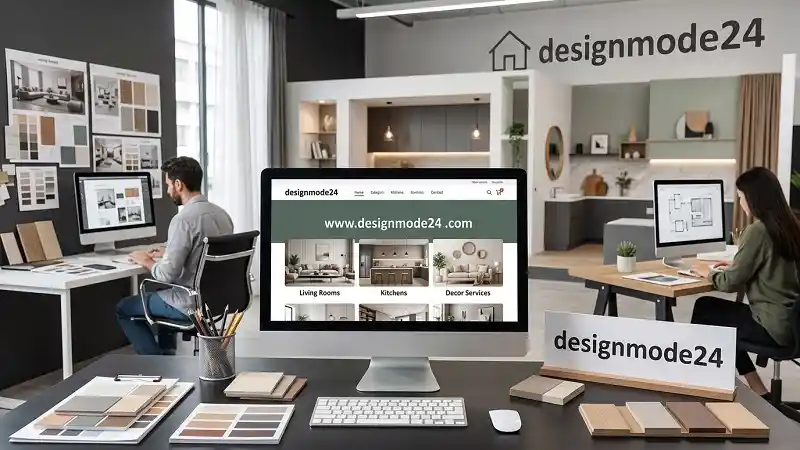
Design plays an important role in our daily lives. From the appearance of our homes to the layout of websites, good design helps make spaces and digital experiences more attractive, organized, and practical. Modern design focuses on simplicity, functionality, creativity, and ease of use. By understanding basic design principles, anyone can improve their surroundings or develop better digital projects.
Today, people are increasingly interested in modern interiors, creative decoration, color combinations, furniture arrangements, and digital design. They want solutions that look professional without being difficult to understand or expensive to implement. Fortunately, many design improvements can be achieved through careful planning, thoughtful choices, and a clear understanding of personal needs.
The topic of www designmode24 .com can be explored through the broader ideas of contemporary design, home styling, visual creativity, and practical design techniques. These subjects are useful for homeowners, students, creative professionals, and anyone who wants to understand how design can improve everyday experiences.
This article explains the basic principles of modern design, popular interior styles, effective color choices, space management, digital design fundamentals, and practical ways to create attractive results. The goal is to provide simple and informative guidance that readers can apply to their own projects.
1. Understanding Modern Design
Modern design combines appearance and functionality. It focuses on creating products, rooms, and digital experiences that look appealing while serving a clear purpose.
One important characteristic of modern design is simplicity. Instead of filling a space with unnecessary objects or decorative details, designers focus on essential elements. This approach can make a room easier to maintain or a website easier to navigate.
Another important feature is balance. Furniture, colors, shapes, textures, and empty spaces should work together rather than compete for attention. A balanced design feels organized and comfortable.
Functionality is equally important. A beautiful room may not be practical if there is insufficient storage or limited walking space. Similarly, a visually attractive website may frustrate visitors if its navigation is confusing.
Good design considers the people who will use the finished result. Their preferences, habits, needs, and available budget should guide decisions from the beginning.
2. Popular Interior Design Styles
Interior design includes many styles, each offering a different atmosphere and visual identity. Understanding these styles can help people select ideas that suit their homes and personal preferences.
Minimalist Design
Minimalist design emphasizes simplicity, open space, and essential furniture. It often uses neutral colors, clean lines, and limited decoration.
This style is suitable for people who prefer an uncluttered environment. Storage solutions are especially important because keeping everyday belongings organized helps maintain the overall appearance.
Scandinavian Design
Scandinavian design combines comfort, functionality, and natural materials. Common features include light-colored walls, wooden furniture, soft fabrics, and simple decorative accessories.
Natural light is an important element of this style. Comfortable seating, warm textiles, and practical furniture help create a welcoming atmosphere.
Industrial Design
Industrial design draws inspiration from warehouses, workshops, and urban buildings. It may include metal fixtures, exposed brick, concrete surfaces, and furniture with simple structural details.
This style can work well in modern apartments and open-plan spaces. However, balancing hard materials with rugs, cushions, or warm lighting can prevent the room from feeling too cold.
Contemporary Design
Contemporary design reflects current preferences and can combine different materials, shapes, and colors. It often features clean furniture, flexible layouts, modern lighting, and carefully selected decorative pieces.
Because trends change over time, contemporary interiors can evolve gradually. Homeowners can update smaller details without replacing every major piece of furniture.
3. Choosing the Right Colors
Color is one of the most influential elements in any design project. It affects the visual balance of a room and can influence how people perceive its size, brightness, and atmosphere.
Neutral colors such as white, cream, beige, and gray provide versatile backgrounds. They can be combined with colorful accessories, artwork, or furniture to create a more personalized appearance.
Cool colors, including blue and green, are often associated with calmness and freshness. Warmer shades, such as terracotta, yellow, and muted orange, can create a more energetic or welcoming feeling.
A simple way to plan a color scheme is to choose one main color, one supporting color, and one accent color. The main color covers larger surfaces, while supporting and accent colors add variety.
Lighting should also be considered when selecting paint or fabric colors. A shade may look different under natural daylight, warm indoor bulbs, or cool artificial lighting. Testing small samples before making a large purchase can help avoid disappointing results.
Most importantly, color choices should reflect personal preferences and the purpose of the space rather than following every passing trend.
4. Making Small Spaces More Functional
Small rooms require careful planning because every part of the available space matters. The right furniture arrangement and storage methods can make compact homes more comfortable and practical.
Start by measuring the room before buying furniture. Consider doorways, windows, walking paths, and the space needed to open drawers or cabinet doors.
Multifunctional furniture can be especially useful. Storage beds, folding desks, extendable dining tables, and ottomans with hidden compartments allow one item to serve several purposes.
Vertical storage is another effective solution. Wall shelves and appropriately installed cabinets can hold books, decorations, and household supplies without occupying too much floor space.
Keeping floors and pathways clear can make a room feel more open. Mirrors may help reflect available light, while lighter wall colors can create a brighter appearance.
Avoid purchasing furniture simply because it looks attractive in a showroom. Consider whether it fits your room, supports your daily activities, and provides sufficient practical value.
5. Selecting Furniture and Decorative Accessories
Furniture determines how a room functions, while decorative accessories help establish its character. Both should be selected according to the available space, intended use, and overall design.
Begin with essential furniture, such as beds, sofas, dining tables, and storage units. Choose comfortable, appropriately sized pieces that meet your household’s needs.
After arranging the main furniture, consider adding rugs, cushions, curtains, lamps, and artwork. These accessories can introduce color, texture, and personality without requiring major changes.
Different textures can make a room more visually interesting. For example, smooth wooden surfaces can be combined with woven baskets, soft fabrics, and metal fixtures.
However, avoid placing too many decorative objects in one area. A few carefully selected pieces can have more impact than numerous unrelated accessories.
Durability should also influence purchasing decisions. Consider the materials, cleaning requirements, maintenance needs, and expected lifespan of furniture before spending money.
A thoughtful combination of comfort, practicality, and visual balance helps create a space that remains attractive over time.
6. The Importance of Lighting
Lighting influences both the appearance and usefulness of a space. Good lighting allows people to perform everyday tasks comfortably while creating a suitable atmosphere.
Natural light should be used whenever possible. Keep windows clean, avoid unnecessary obstructions, and select curtains that provide the desired balance between daylight and privacy.
Artificial lighting can be divided into three general types.
-
- Ambient lighting: Provides general illumination throughout a room.
-
- Task lighting: Helps with specific activities such as reading, cooking, or working.
-
- Accent lighting: Highlights artwork, architectural features, or decorative objects.
Combining these lighting types can create a more flexible environment. For instance, a living room may use ceiling lights for general visibility, a floor lamp for reading, and a small accent light near a display shelf.
Choose appropriate bulbs based on the room’s purpose. Softer lighting may be suitable for relaxation, while brighter task lighting can help with detailed activities.
Safety is essential when installing new fixtures. Follow manufacturer instructions and use a qualified electrician for electrical work that requires professional knowledge.
7. Understanding Digital and Website Design
Design principles are not limited to physical spaces. Digital design also relies on organization, visual balance, readability, and user convenience.
A well-designed website should help visitors understand its purpose quickly. Clear headings, readable text, consistent colors, and straightforward navigation make information easier to find.
Responsive design is another important consideration. Websites should adapt to different screen sizes, including mobile phones, tablets, and desktop computers. Text should remain readable, and buttons should be easy to use on touchscreens.
Typography affects how information is presented. Using a small number of complementary fonts can create a consistent appearance. Text should have sufficient contrast against its background, and paragraph lengths should be comfortable to read.
Images and graphics should support the content rather than distract from it. Compressed image files can improve loading speed, while meaningful alternative text can make visual content more accessible to people using screen readers.
Accessibility should be included from the beginning. Designers should consider keyboard navigation, clear labels, readable text, and color combinations that remain distinguishable for people with different visual abilities.
These principles help create digital experiences that are both attractive and practical.
8. Budget-Friendly Design Improvements
Improving a home or completing a design project does not always require a large budget. Careful planning can help people achieve useful results while controlling expenses.
One simple approach is to rearrange existing furniture before buying new items. A different layout may improve movement, lighting, and comfort without any additional cost.
Repainting a wall, changing cabinet handles, updating cushion covers, or adding a suitable lamp can refresh a room at a relatively low cost.
Secondhand furniture can also provide value when it is structurally sound and suitable for the intended use. Inspect items carefully before purchasing them, especially when checking for damage, moisture, pests, or unstable construction.
For digital projects, free or low-cost design tools may be sufficient for basic graphics, layouts, and prototypes. Choose tools according to your skill level and project requirements rather than paying for features you do not need.
Set a clear budget and prioritize essential improvements first. Repairs, safety issues, and functional problems should generally take precedence over decorative purchases.
A practical design plan focuses on long-term usefulness instead of spending money simply to follow current trends.
9. Common Design Mistakes to Avoid
Even simple design projects can become less effective when basic planning is overlooked. Recognizing common mistakes can save time, money, and effort.
One frequent mistake is overcrowding a room. Too much furniture and too many decorations can reduce usable space and make cleaning difficult. Leave enough room for movement and choose accessories carefully.
Another mistake is ignoring proportions. Small furniture may look out of place in a large room, while oversized furniture can overwhelm a compact area. Measuring the available space before purchasing items helps prevent these problems.
Poor lighting can also affect the final result. A room may appear dull when it relies on a single light source, while excessive brightness may create discomfort. Use lighting appropriate to the activities performed in each area.
In digital design, inconsistent colors, confusing navigation, tiny text, and slow-loading images can make websites harder to use.
Finally, avoid copying a design without considering your own requirements. A style that works in one home or digital project may not suit another. Personal needs, available space, accessibility, and budget should always guide the final decisions.
10. Practical Guidelines for a Successful Design Project
A structured approach makes design projects easier to manage. Whether you are decorating a bedroom or planning a digital layout, a few basic steps can improve the process.
Step 1: Identify Your Goals
Decide what you want to achieve. You may want to improve comfort, increase storage, create a more modern appearance, or make information easier to access.
Step 2: Assess the Available Space and Resources
Measure rooms, review existing furniture, or examine the requirements of a digital project. Identify limitations before making important decisions.
Step 3: Create a Simple Plan
Select suitable colors, materials, layouts, and essential features. Sketching a basic arrangement can help you compare ideas before beginning.
Step 4: Set a Realistic Budget
Estimate the cost of materials, tools, furniture, or software. Include a small allowance for unexpected expenses where possible.
Step 5: Make Changes Gradually
Complete the most important tasks first. Review the results before moving on to additional improvements.
Step 6: Evaluate the Final Result
Check whether the design meets your original goals. Consider comfort, usability, maintenance, accessibility, and appearance.
The subject of www designmode24 .com can be approached through these general design principles, which emphasize practical choices, creative thinking, and informed planning.
Conclusion
Modern design is about more than appearance. It combines creativity, functionality, organization, and careful decision-making to improve the way people use their homes and digital environments.
By choosing suitable colors, arranging furniture thoughtfully, improving lighting, managing small spaces, and avoiding unnecessary purchases, anyone can make meaningful improvements to an interior. The same principles apply to digital projects, where clear navigation, readable content, responsive layouts, and accessibility contribute to a better user experience.
Successful design does not depend on having an unlimited budget or following every popular trend. It begins with understanding your needs, identifying realistic goals, and selecting solutions that provide lasting value.
www designmode24 .com represents the topic explored in this guide: practical approaches to design, visual creativity, and everyday improvements. With careful planning and a willingness to experiment, readers can develop their own ideas and create spaces or digital projects that are attractive, useful, and suited to their individual requirements.
The most effective design is ultimately the one that makes daily life easier, more comfortable, and more enjoyable.