
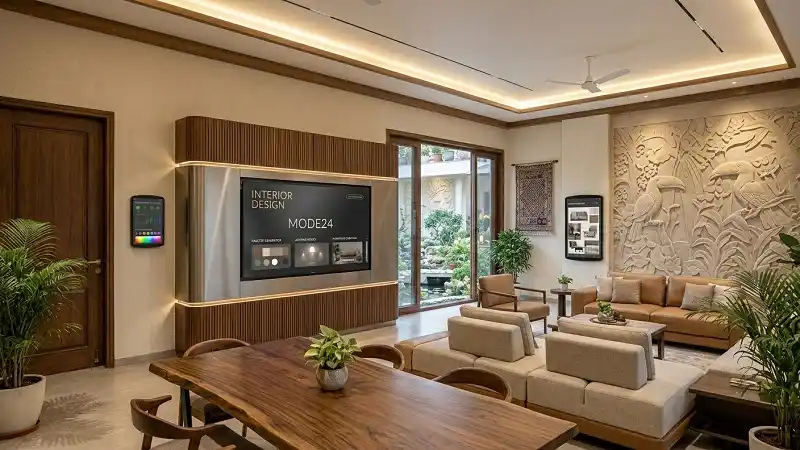
Interior design is an important part of creating a comfortable, attractive, and functional living space. A well-designed home can improve daily life, provide a relaxing atmosphere, and reflect the personality of the people who live in it. From choosing the right colors to arranging furniture and adding suitable lighting, every small detail contributes to the overall appearance of a room.
Today, homeowners have many options for improving their interiors without spending a large amount of money. Simple changes, such as adding curtains, using decorative cushions, organizing furniture, or introducing indoor plants, can make a noticeable difference. The key is to understand the basic principles of design and apply them according to personal needs, available space, and budget.
Interior Designmode24 represents an approach to exploring modern interior design ideas in a simple and practical way. By focusing on comfort, functionality, creativity, and visual balance, anyone can develop a living environment that looks attractive and feels welcoming. This guide explains the essential elements of interior design and provides useful guidelines for different areas of the home.
1. Understanding the Basics of Interior Design
Interior design involves planning and organizing indoor spaces to make them functional, comfortable, and visually appealing. It includes several elements, such as colors, furniture, lighting, textures, patterns, and decorations. These elements should work together to create a balanced and harmonious environment.
Before starting a decorating project, it is important to understand the purpose of the room. A living room may need comfortable seating and space for conversation, while a bedroom should encourage rest and relaxation. A kitchen requires practical storage, suitable lighting, and enough room for preparing meals.
Good interior design is not only about appearance. It also involves making everyday activities easier. For example, keeping frequently used items within reach and maintaining clear walking paths can make a room more convenient.
Start by evaluating the existing space. Measure the room, identify its main features, and decide which areas need improvement. A clear plan helps prevent unnecessary purchases and makes the decorating process more organized.
2. Choosing the Right Color Scheme
Color is one of the most important elements of interior design because it affects the atmosphere of a room. Different colors can create different feelings, from calmness and comfort to energy and excitement.
Neutral colors, including white, beige, cream, and gray, are popular choices because they work well with many furniture styles. They can also make a small room appear brighter and more open. Soft blue, green, and earthy brown tones are useful for creating a peaceful atmosphere.
Brighter colors, such as yellow, orange, and deep green, can be introduced through cushions, artwork, rugs, or decorative objects. Using them as accents allows homeowners to add personality without overwhelming the space.
A practical guideline is to choose one main color, one supporting color, and one accent color. The main color can cover most walls and large surfaces, while the supporting color appears in furniture and fabrics. Accent colors provide contrast and visual interest.
It is also helpful to consider natural light before selecting paint. A room with limited sunlight may benefit from lighter shades, while a bright room can accommodate deeper colors more easily. Always test paint samples under different lighting conditions before making a final decision.
3. Selecting Functional and Comfortable Furniture
Furniture plays a major role in determining how a room looks and functions. The right pieces should suit the size of the space, match the overall style, and provide enough comfort for daily use.
Before buying furniture, measure the available area carefully. Large sofas, oversized tables, and bulky cabinets can make small rooms feel crowded. In contrast, appropriately sized furniture creates a better sense of proportion and allows people to move around comfortably.
Multifunctional furniture is especially useful in apartments and compact homes. Storage beds, folding dining tables, nesting tables, and sofas with hidden compartments help save space while providing practical benefits.
Furniture placement is equally important. Arrange seating to support conversation, position tables where they are easy to reach, and avoid blocking windows or doorways. Leave enough space between furniture pieces to maintain clear walking paths.
Comfort should always be a priority. Test chairs and sofas before purchasing them, and consider materials that are easy to clean and maintain. A beautiful room becomes more valuable when its furniture supports everyday activities.
4. Improving Lighting for a Better Atmosphere
Lighting affects both the appearance and functionality of an interior. A well-lit room feels more welcoming, while poor lighting can make even an attractive space seem dull or uncomfortable.
Natural light should be used whenever possible. Keep windows clean, avoid placing unnecessary objects in front of them, and choose curtains that allow sunlight to enter when privacy permits. Mirrors can also help reflect natural light around a room.
Artificial lighting can be divided into three main types.
Ambient lighting: This provides general illumination throughout the room. Ceiling lights and suitable overhead fixtures are common examples.
Task lighting: This supports specific activities, such as reading, cooking, studying, or working. Desk lamps, under-cabinet kitchen lights, and bedside reading lamps are useful options.
Accent lighting: This highlights decorative features, artwork, shelves, or architectural details. Wall lights and small directional fixtures can create attractive visual effects.
For a comfortable atmosphere, consider warm lighting in bedrooms and living areas. Kitchens, bathrooms, and workspaces may benefit from brighter, more focused illumination. Combining different types of lighting creates flexibility for different times of the day.
5. Decorating with Textures, Fabrics, and Accessories
Decorative details help transform a basic room into a personalized living space. Fabrics, textures, artwork, cushions, rugs, and small accessories can introduce color and character without requiring major renovations.
Mixing different textures creates depth and interest. For example, smooth wooden furniture can be paired with soft cushions, woven baskets, and textured rugs. Cotton, linen, wool, and other suitable fabrics can contribute to a comfortable atmosphere.
Curtains should complement the room’s color scheme and suit its practical requirements. Lightweight fabrics allow more light to pass through, while thicker curtains can provide privacy and help reduce unwanted sunlight.
Wall decorations should be chosen carefully. A large artwork can become the main focal point of a room, while a small collection of framed photographs can create a personal display. Avoid filling every wall with decorations, as too many items may make the room feel crowded.
Indoor plants are another simple way to improve a space. They introduce natural color and can make rooms feel fresher. Choose plants according to the available light, temperature, and amount of care you can provide.
The goal is to create a balanced arrangement rather than filling every empty surface. A few carefully selected accessories often look better than a large collection of unrelated objects.
6. Making Small Spaces Look Larger
Small homes and apartments can be attractive and comfortable when their available space is used wisely. The right design choices can make a compact room feel more open without changing its actual dimensions.
Start by reducing clutter. Keep everyday belongings organized in drawers, cabinets, and storage boxes. Clear surfaces and open walking areas make rooms easier to use and visually less crowded.
Choose furniture with suitable proportions. Pieces with raised legs can create a feeling of openness because more of the floor remains visible. Folding furniture and wall-mounted shelves can also free up valuable space.
Light colors, mirrors, and effective lighting can help create a brighter appearance. Placing a mirror where it reflects a window or another light source may improve the sense of depth.
Vertical storage is another practical solution. Tall shelving units, wall-mounted organizers, and hooks can make use of available wall space instead of taking up additional floor area.
Avoid using too many patterns or oversized decorative items in a small room. A simple design with a few contrasting details often creates a cleaner and more comfortable result.
7. Creating a Stylish and Practical Living Room
The living room is often one of the most frequently used spaces in a home. It may serve as a place for family gatherings, entertaining guests, watching television, or relaxing after a busy day.
Begin by deciding the main purpose of the room. If conversation is important, arrange sofas and chairs so people can comfortably face one another. If the television is the main focus, position seating at a suitable viewing distance.
A rug can help define the seating area and connect different furniture pieces. Choose a size that fits the arrangement rather than using a rug that appears too small.
A coffee table or side table provides a convenient surface for books, drinks, and decorative items. Storage furniture can help keep remote controls, magazines, and other everyday belongings organized.
Lighting should support several activities. Ceiling lights provide general illumination, while floor lamps and table lamps create softer lighting for relaxing.
When applying Interior Designmode24 principles to a living room, focus on a balance between appearance and usability. The room should reflect your preferences while remaining comfortable enough for daily family life.
8. Designing a Peaceful and Comfortable Bedroom
A bedroom should provide a quiet environment for sleeping, resting, and relaxing. Its design should prioritize comfort, simplicity, and personal preference.
Start with the bed because it is usually the main feature of the room. Position it where movement around the room remains convenient and avoid blocking doors or essential storage areas.
Choose bedding that feels comfortable and suits the climate. Cotton and other breathable fabrics may be useful in warmer conditions, while additional blankets can provide warmth when needed.
Soft colors, such as cream, pale blue, light green, and muted gray, can support a peaceful atmosphere. However, personal preference matters more than following a particular color trend.
Keep bedside tables organized and provide suitable lighting for reading. Blackout curtains or well-fitted window coverings may help reduce unwanted light during sleep.
Storage is also essential. Wardrobes, drawers, under-bed containers, and organizers can help keep clothing and personal items out of sight. Reducing clutter makes the bedroom easier to maintain and more relaxing to use.
9. Choosing a Design Style That Matches Your Personality
There is no single interior design style that suits every home. The best choice depends on personal taste, lifestyle, budget, and the characteristics of the space.
Modern style: Modern interiors often feature clean lines, simple furniture, open layouts, and a limited color palette. Decorative elements are generally kept purposeful.
Minimalist style: Minimalism emphasizes simplicity, useful objects, uncluttered surfaces, and carefully selected furniture. It can be especially effective in smaller homes.
Traditional style: Traditional interiors may include detailed wooden furniture, classic patterns, rich colors, and decorative accessories. They often create a familiar and elegant atmosphere.
Scandinavian style: This approach commonly combines light colors, natural materials, functional furniture, and comfortable textiles. It emphasizes simplicity and everyday comfort.
Industrial style: Industrial interiors may feature metal details, exposed materials, neutral colors, and practical furniture inspired by workshops or converted industrial spaces.
You do not need to follow one style perfectly. Combining elements from different approaches can work well when colors, materials, and proportions remain consistent. Choose ideas that support your lifestyle instead of copying a design simply because it is popular.
10. Following a Budget-Friendly Interior Design Plan
Improving a home does not always require expensive furniture or professional renovation. Careful planning and small changes can produce meaningful results.
Begin by setting a realistic budget. Divide it into essential improvements, optional purchases, and decorative extras. Prioritize repairs, storage, lighting, and frequently used furniture before buying items that serve only a decorative purpose.
Reuse existing furniture whenever possible. A fresh coat of paint, new handles, updated cushions, or a different furniture arrangement can give familiar items a new appearance.
Compare materials based on durability, maintenance, and cost. Affordable products can provide good value when they are suitable for everyday use and properly cared for.
Make changes gradually instead of trying to complete every room at once. Completing one area before moving to another helps you manage spending and understand which improvements are most useful.
Finally, leave some room in your budget for unexpected expenses. A flexible plan reduces pressure and makes it easier to maintain consistent quality throughout the home.
11. Common Interior Design Mistakes to Avoid
Even simple decorating projects can become difficult when important details are overlooked. Avoiding common mistakes helps produce a more balanced and functional result.
-
- Buying furniture before measuring: Always measure rooms, doorways, and furniture dimensions to ensure suitable placement.
-
- Using too many colors: Select a coordinated palette to prevent the space from appearing visually confusing.
-
- Ignoring lighting: Consider natural light and use appropriate artificial lighting for different activities.
-
- Overdecorating: Leave some empty space so important furniture and decorative features can stand out.
-
- Following trends without considering needs: Choose designs that suit your routine, comfort, and long-term preferences.
-
- Neglecting storage: Plan practical storage solutions to keep everyday items organized.
-
- Forgetting maintenance: Select finishes and fabrics that match the amount of cleaning and care you can realistically provide.
Review the room as a complete space rather than evaluating each item separately. Colors, furniture, lighting, and accessories should support one another.
Conclusion
Interior design is about creating spaces that are attractive, comfortable, practical, and suited to everyday life. By understanding basic design principles, selecting appropriate colors, arranging furniture carefully, improving lighting, and controlling clutter, homeowners can make meaningful improvements without unnecessary expense.
A successful design does not depend on the size of a home or the price of its decorations. It depends on thoughtful choices, a clear plan, and attention to the needs of the people who use the space.
Interior Designmode24 provides a useful concept for thinking about these choices in an organized and accessible way. Whether you are refreshing a single bedroom, decorating a living room, or planning improvements throughout your home, start with the essentials and make changes gradually.
Focus on functionality first, add personal details, and maintain a balance between beauty and comfort. With patience and creativity, even a simple room can become a welcoming space that reflects your personality and supports your lifestyle.