
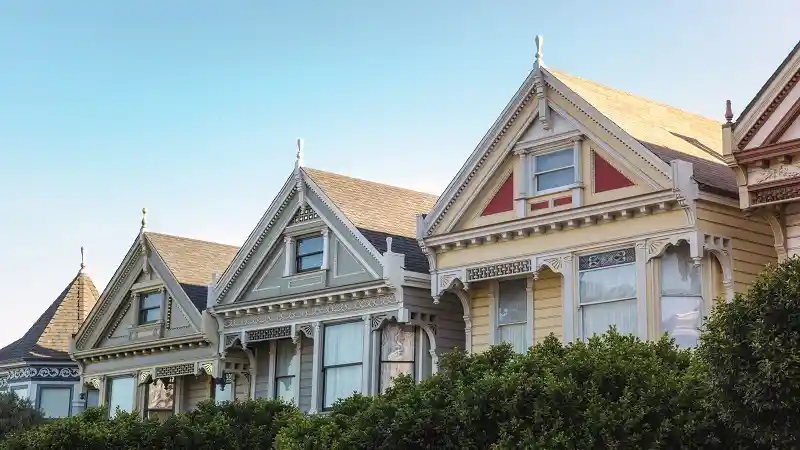
Adding space to your London home comes down to one fundamental question early on. Do you go out or do you go up? A single-storey extension expands your ground-floor footprint. A double-storey extension does both levels at once. The answer depends on your property, your budget, your planning position, and what you actually need the space for.
Extension Architecture works with London homeowners across both types of projects. They understand the design, planning, and structural requirements that come with each, and they know how to navigate the specific challenges that London properties present.
This piece looks at both options in detail so you can make a more informed decision before you start.
What Is a Single Storey Extension?
A single storey extension adds new space at the ground-floor level only. It is typically built to the rear of the property, to the side, or as a wrap-around, combining both directions.
Most people use single-storey extensions to create a larger kitchen, an open-plan kitchen and dining area, a utility room, a home office, or a playroom. The ground floor transformation can dramatically change how a family uses their home on a day-to-day basis.
Because of the scale, single-storey extensions are the more common of the two types. They are often achievable under permitted development rights, which removes the need for a full planning application and shortens the overall timeline.
What Is a Double Storey Extension?
A double-storey extension adds space on both the ground floor and the first floor simultaneously. The result is significantly more square footage from a single project.
Common uses include a large kitchen extension downstairs paired with an extra bedroom or bathroom above. For growing families who need both living space and sleeping space, this is often the most efficient route.
Double-storey extensions almost always require full planning permission. They are also more structurally complex and involve a longer build programme. But when you compare the cost per square metre against doing two separate projects at different times, building both floors together almost always works out more economically.
Comparing the Two Options Side by Side
| Single Storey Extension | Double Storey Extension | |
| Typical cost range | £1,500 to £2,500 per sqm | £1,800 to £3,200 per sqm |
| Planning permission | Often not required (PD) | Usually required |
| Build time on site | 10 to 16 weeks | 16 to 24 weeks |
| Space gained | Ground floor only | Ground and first floor |
| Best for | Kitchen, dining, living | Bedroom, bathroom, plus kitchen |
| Structural complexity | Moderate | Higher |
| Impact on the garden | Moderate | Moderate to significant |
These figures are general guides. Every project in London is different, and costs vary significantly based on specification, location, and site conditions.
Planning Permission: The Key Difference
This is where the two routes diverge most clearly.
A standard rear single-storey extension on a terraced or semi-detached London home can often proceed under permitted development rights if it extends no more than three metres from the rear wall. For detached houses, the limit is four metres. Larger extensions up to six or eight metres are sometimes possible through the Prior Approval route.
Double-storey extensions sit outside permitted development in most cases. They require a full planning application, a design that satisfies the local authority, and a wait period that typically runs between eight and thirteen weeks for a decision. In London, where conservation areas are common, and many boroughs apply additional design guidance, getting planning approval for a double-storey project requires careful preparation.
Extension Architecture handles the entire planning process for both types of projects. Their knowledge of how different London boroughs approach applications means fewer surprises and stronger applications from the start.
Design Considerations for Each Type
Single-storey extensions offer real design freedom at ground level. Flat roofs with large roof lights are popular because they flood the new space with natural light without raising the overall height of the extension. Pitched roofs suit properties where matching the existing roofline matters. Glazed rear walls and sliding or bifold doors connecting to the garden are common choices.
For double-storey extensions, the design challenge is different. The new addition needs to sit well with the existing property on both floors. Window placement on the first floor matters not just aesthetically but from a planning perspective, particularly overlooking. The mass of a double-storey structure is more visible from the street and from neighbouring gardens, which means the design needs to be considered carefully from the outset.
A well-designed double-storey extension does not look like it was bolted on. It reads as a natural part of the house. Getting that right is a design skill, not just a technical one, and it is one of the areas where working with experienced architects makes a genuine difference.
The Structural Side of Things
Both types of extension require proper structural consideration. Foundations, load-bearing walls, steelwork, and the connection between old and new all need engineering input.
For double-storey projects, the structural complexity increases. The first floor structure, the loads transferred down through the ground floor, and the junction with the existing roof all require careful design. This is not work that benefits from being rushed or cut short.
Extension Architecture works with structural engineers as part of their integrated service. Rather than leaving the homeowner to coordinate separate consultants, the structural engineering input is handled alongside the architectural design. That coordination produces better outcomes and avoids the gaps that occur when different professionals are working in isolation.
Which Option Makes More Sense for Your Home?
There is no universal answer. A young couple using their home office and kitchen more than anything else may get everything they need from a well-designed single-storey rear extension. A family of four who are short on bedrooms, bathrooms, and living space will almost certainly benefit more from going double-storey.
Budget matters too. A double-storey extension costs more in total, even if it costs less per square metre than two separate projects. For some homeowners, a single-storey extension now, with a loft conversion later, makes more financial sense than doing everything at once.
The right answer comes from an honest conversation about what you need, what your property can accommodate, and what your budget actually allows.
Why Extension Architecture for Either Project
Extension Architecture has delivered both single-storey and double-storey extensions across London for years. They know the planning landscape, the structural requirements, and the design approaches that work on London’s varied housing stock.
Their process covers everything from the initial feasibility assessment through design, planning, building regulations, and construction management. One team, one point of contact, one integrated process from start to finish.
Whether you are looking at a straightforward rear extension or a more ambitious two-storey project, the starting point is the same. Understand what is possible for your specific property, get the design right, and manage the process properly.
Speak to Extension Architecture to discuss your project and find out which route makes the most sense for your home.