
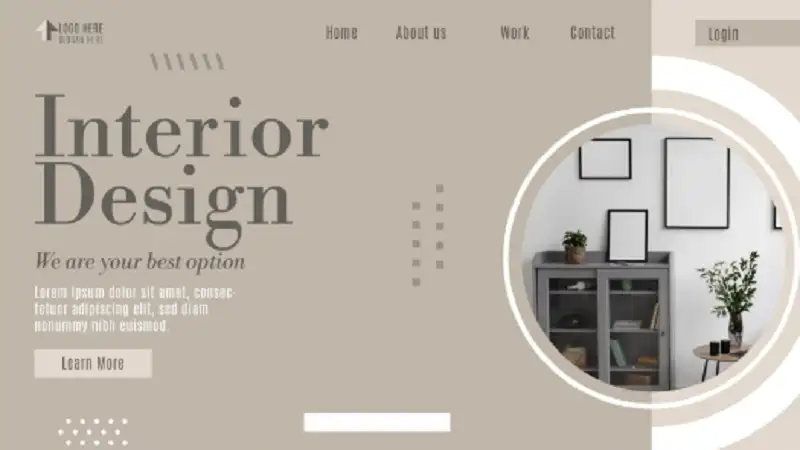
Interior design has evolved dramatically over the years, becoming more than just the selection of furniture or choosing a color palette. Today, it blends creativity, functionality, and psychology to create spaces that truly support the people who live or work in them. Whether it’s a home, an office, a studio apartment, or a commercial setting, interior design has the power to transform the way we feel, move, and think.
Modern interior design focuses on simplicity, purpose, sustainability, and comfort. It ensures that every element in the room—lighting, space layout, colors, and materials—is in harmony. This approach helps create balanced spaces that feel welcoming and meaningful. Many people explore fresh ideas and trends through various sources, and this is where concepts like interior designmode24 become relevant, helping users understand how design styles evolve in today’s world.
The Importance of Interior Design
Interior design impacts everyday life more than most people realize. A well-designed environment can increase productivity, improve mood, reduce stress, and create a sense of belonging. The significance of interior design can be seen in a few major areas:
1. Enhances the Quality of Life
A thoughtfully designed space supports good mental health. Proper lighting, calming color schemes, and uncluttered layouts help improve focus, relaxation, and general well-being.
2. Maximizes Space Efficiency
Modern homes often have limited space, especially apartments. Good design ensures that every inch is used wisely. Smart storage solutions, multifunctional furniture, and layout planning make small spaces functional and comfortable.
3. Reflects Personality
Interior design allows people to express their personality. From minimalist aesthetics to bold, artistic decor, the style of a home often reflects the owner’s taste, values, and lifestyle.
4. Improves Property Value
A well-designed home appeals more to buyers and renters. It can significantly increase the market value of a property, making interior design a smart long-term investment.
Key Principles of Modern Interior Design
Understanding the core principles behind interior design helps in creating balanced and visually pleasing spaces. These principles form the foundation of any successful design project.
1. Balance
Balance involves distributing visual weight evenly. It can be symmetrical, where both sides of a room mirror each other, or asymmetrical, where different elements create harmony through contrast.
2. Rhythm
Rhythm in design is created by repeating colors, shapes, or patterns. It helps guide the viewer’s eye and creates a sense of movement in the room.
3. Harmony and Unity
A unified design means all elements feel like they belong together. This can be achieved through complementary colors, consistent textures, or matching materials.
4. Focal Point
Every room needs a focal point—something the eyes naturally land on. It could be a fireplace, a feature wall, a large artwork, or a unique piece of furniture.
5. Proportion and Scale
The size of furniture and decor should correspond to the size of the room. Oversized furniture in a small room disrupts balance, while small pieces in a large room create emptiness.
Popular Modern Interior Design Styles
Several trending design styles define modern living. Each style has its own characteristics and brings a different mood to the space.
1. Minimalist Style
Minimalism focuses on simplicity and functionality. Clean lines, neutral colors, and clutter-free spaces define this style. It emphasizes “less is more.”
2. Scandinavian Style
Known for warmth and simplicity, Scandinavian design uses natural materials, soft tones, wooden textures, and functional furniture.
3. Industrial Style
Industrial interiors include raw materials like metal, brick, concrete, and exposed pipes. This style gives a rugged, urban feel.
4. Contemporary Style
Contemporary design adapts to the latest trends. It often features smooth surfaces, bold accents, and a mix of soft and strong colors.
5. Rustic Style
Rustic interiors bring nature indoors. Wooden beams, stone textures, earthy colors, and vintage decor are common features.
Using Colors Effectively
Color plays a powerful role in interior design. It can create mood, add depth, or highlight architectural features.
-
Warm colors (red, orange, yellow) create a cozy, energetic feel.
-
Cool colors (blue, green, purple) promote relaxation and calmness.
-
Neutral colors (white, beige, gray) provide balance and flexibility.
A good approach is to use a base neutral color and add accents in the form of cushions, artwork, or rugs. This allows flexibility in redesigning without major changes.
Furniture Selection and Placement
Furniture defines both comfort and functionality. When selecting furniture:
-
Choose pieces that match the room size.
-
Prioritize comfort and durability.
-
Use multifunctional furniture in small spaces.
-
Avoid overcrowding the room.
-
Maintain open pathways for easy movement.
The concept of interior designmode24 focuses on maintaining a balance between style and practicality when selecting and arranging furniture.
Lighting: The Heart of Interior Design
Lighting can transform the look and feel of any space. It has three major types:
1. Ambient Lighting
General lighting that illuminates the entire room.
2. Task Lighting
Focused lighting is used for specific tasks like reading, cooking, or studying.
3. Accent Lighting
Decorative lighting that highlights artwork, plants, or architectural elements.
Combining these lighting types creates a layered and dynamic environment. Good lighting can also enhance colors, textures, and mood.
Textures and Materials
Textures add depth and warmth to a space. Mixing different textures—like metal, wood, glass, and fabric—creates visual interest.
Examples:
-
Soft rugs and cushions
-
Wooden furniture
-
Glass tables
-
Metal frames
-
Stone countertops
Using texture wisely is an important guideline in creating a balanced interior.
Space Planning and Layout Tips
Proper layout ensures that the room is functional and easy to navigate.
-
Begin by measuring the space accurately.
-
Identify the room’s purpose.
-
Place larger furniture first.
-
Leave enough walking space.
-
Use rugs to define different zones.
These guidelines are essential in modern approaches like those found in interior designmode24, which encourage strategic planning to achieve a minimalist and efficient layout.
Sustainable Interior Design
Sustainability has become a major part of modern design. Eco-friendly choices help protect the environment and create healthier living spaces.
Ways to incorporate sustainability:
-
Choose natural materials like bamboo and jute.
-
Use energy-efficient lighting.
-
Repurpose old furniture.
-
Buy durable items instead of disposable ones.
-
Add indoor plants for better air quality.
Beyond aesthetics, sustainable design supports long-term well-being.
Budget-Friendly Design Tips
Interior design doesn’t have to be expensive. With some creativity, you can upgrade any space without overspending.
-
Repaint walls instead of replacing furniture.
-
Add new cushion covers or throws.
-
Rearrange existing furniture.
-
Buy second-hand or refurbished items.
-
Add lighting or wall art to refresh the look.
Many ideas from resources like interior designmode24 show how simple adjustments can make a huge difference in home interiors.
Final Thoughts
Interior design is a blend of creativity, purpose, and thoughtful planning. Whether you prefer minimalist, rustic, or contemporary styles, the most important thing is to create a space that reflects your personality and meets your lifestyle needs. With the right combination of colors, lighting, furniture, textures, and layouts, any space can be transformed into a comfortable, functional, and aesthetically pleasing environment.
Understanding modern approaches, such as those shared in interior designmode24 helps individuals explore new possibilities in home and office design. Ultimately, interior design is about finding harmony between beauty and practicality, creating spaces that feel truly yours.