
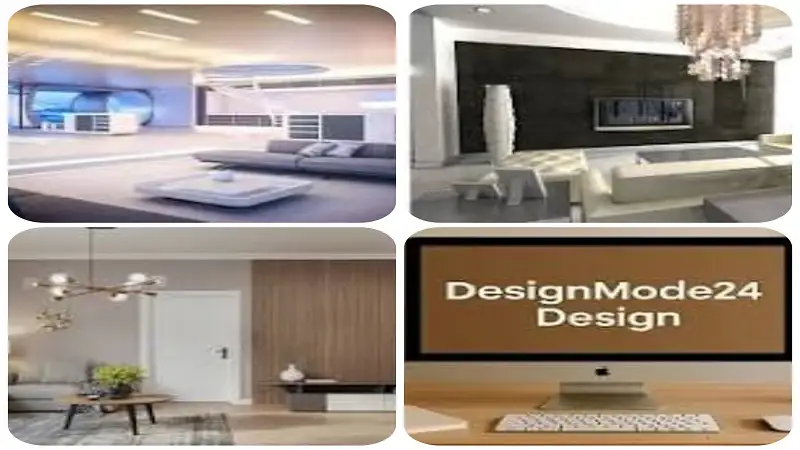
Interior design has evolved far beyond choosing furniture or picking a paint color. Today, it is a thoughtful process that blends function, beauty, comfort, and personal expression. As more people work, study, and relax at home, the need to create meaningful, well-organized spaces has become essential. This article explores major principles, trends, techniques, and best practices for home styling. As part of this discussion, we refer to themes similar to designmode24 interior design to illustrate how modern design approaches shape the way homes are planned and enjoyed.
1. Understanding the Purpose of Interior Design
1.1 Creating Functional Spaces
The core purpose of interior design is to enhance how a space is used. Whether designing a living room for gatherings, a kitchen for efficiency, or a bedroom for rest, function always comes first. Good design ensures each area supports the lifestyle and daily habits of the people using it.
1.2 Blending Aesthetics With Comfort
A beautiful space should also feel comfortable. The ideal interior design combines color, lighting, materials, and layout to create a look that is pleasing while still welcoming and practical.
1.3 Enhancing Mood and Well-Being
Scientific studies show that the environment affects emotions, productivity, and overall well-being. Natural light, soft textures, organized layouts, and calming colors all contribute to a positive atmosphere.
2. Key Principles of Modern Interior Design
2.1 Balance
Balance ensures a room feels stable and visually appealing. It can be:
-
Symmetrical balance — mirroring elements on both sides
-
Asymmetrical balance — different elements that achieve equal visual weight
-
Radial balance — arranging items around a central point
2.2 Harmony and Unity
A harmonious space uses consistent colors, materials, and styles so that every element feels connected.
2.3 Contrast
Contrast adds visual interest, such as pairing dark and light colors, rough and smooth surfaces, or modern and vintage elements.
2.4 Rhythm
Repetition of patterns, colors, or shapes creates rhythm, guiding the eye across the space and making the design feel complete.
2.5 Proportion and Scale
Furniture should fit the room’s size. Oversized items in small spaces create clutter, while tiny pieces in large rooms feel lost.
3. Popular Interior Design Styles Today
3.1 Minimalist Style
Known for simplicity and open space, minimalism focuses on essentials only. Clean lines, neutral colors, and functional pieces define this style.
3.2 Scandinavian Style
This style uses natural materials, soft colors, warm lighting, and a blend of comfort and simplicity.
3.3 Modern Style
Modern design highlights straight lines, open spaces, and materials like glass, steel, and concrete.
3.4 Industrial Style
Industrial rooms feature exposed brick, metal fixtures, reclaimed wood, and a raw, unfinished look.
3.5 Traditional Style
Traditional homes use classic furniture, warm wood tones, and detailed patterns that offer a timeless feel.
3.6 Eclectic Style
Eclectic design mixes different styles, colors, and textures to create a customized, artistic space.
4. Step-by-Step Guide to Planning Your Interior Design
4.1 Assess Your Space
Take measurements and identify the room’s purpose. Consider lighting, existing features, and storage needs.
4.2 Create a Mood Board
A mood board includes images, textures, and color samples that help visualize your design ideas.
4.3 Choose a Color Palette
Select a primary color, a secondary color, and an accent color. The right palette brings harmony and personality to the space.
4.4 Plan the Layout
Determine where furniture should go to maintain flow and accessibility. Leave enough walkway space between major pieces.
4.5 Select Materials and Textures
Mixing wood, metal, fabric, glass, and stone creates a dynamic environment. Textures add comfort and depth.
4.6 Consider Lighting
Good lighting is one of the most important factors in interior design. Use a combination of:
-
Ambient lighting
-
Task lighting
-
Accent lighting
4.7 Add Personal Elements
Photos, artwork, meaningful objects, and décor pieces make a home feel truly yours.
5. Room-by-Room Interior Design Tips
5.1 Living Room
-
Choose a focal point such as a fireplace, artwork, or large window.
-
Arrange seating to encourage conversation.
-
Use area rugs to define spaces.
5.2 Bedroom
-
Select soothing colors for rest.
-
Use layered bedding for comfort.
-
Keep décor minimal to create a calming environment.
5.3 Kitchen
-
Use durable materials for countertops and floors.
-
Focus on efficient storage.
-
Add good lighting above work areas.
5.4 Bathroom
-
Choose moisture-resistant materials.
-
Use mirrors to create a sense of space.
-
Include practical storage for toiletries.
5.5 Home Office
-
Invest in an ergonomic chair and desk.
-
Position the workspace near natural light.
-
Keep the area organized for productivity.
6. Color Psychology in Home Design
6.1 Warm Colors
Red, orange, and yellow bring energy and movement. They work well in social areas like living rooms and dining spaces.
6.2 Cool Colors
Blue, green, and purple promote relaxation and are ideal for bedrooms and bathrooms.
6.3 Neutral Colors
White, beige, gray, and brown provide flexibility and balance. They act as a backdrop for bold décor or artwork.
6.4 Accent Colors
Bright accents add personality without overwhelming the room.
7. The Role of Furniture in Modern Design
7.1 Choosing the Right Size
Furniture should fit the dimensions of the room. Oversized sofas or too-small tables disrupt balance.
7.2 Mixing Old and New Pieces
Blending modern items with vintage furniture adds depth and character.
7.3 Functionality First
Select multi-purpose pieces such as storage ottomans, modular shelving, or extendable tables.
7.4 Quality Over Quantity
Fewer high-quality items can make a bigger visual impact than filling a room with many items.
8. Using Décor to Enhance Your Space
8.1 Wall Art
Artwork expresses personality and creates focal points.
8.2 Plants
Indoor plants improve air quality and bring natural beauty to a room.
8.3 Mirrors
Mirrors make rooms appear larger and reflect light effectively.
8.4 Rugs and Curtains
Textiles soften spaces and add warmth, texture, and color.
8.5 Storage Accessories
Boxes, baskets, and shelves help keep items organized and stylish.
9. The Importance of Sustainability in Interior Design
9.1 Eco-friendly Materials
Choose bamboo, reclaimed wood, recycled fabrics, and natural fibers.
9.2 Energy-Efficient Lighting
LED bulbs consume less energy and last longer.
9.3 Upcycling and Reusing
Repurposing old furniture reduces waste and adds charm.
9.4 Local Materials
Using locally sourced items reduces carbon footprint and supports local craftsmanship.
10. Emerging Trends in Home Styling
10.1 Smart Homes
Modern homes integrate automated lighting, climate control, and security systems.
10.2 Biophilic Design
This trend brings nature indoors using plants, natural light, and organic materials.
10.3 Multi-Functional Spaces
As remote work grows, rooms increasingly serve multiple purposes.
10.4 Textured Walls
Plaster finishes, wood slats, and woven wall panels are becoming popular.
10.5 Bold Patterns
Accent walls with geometric or botanical prints add personality and drama.
11. How Design Platforms Inspire Creativity
Design platforms and concepts—similar in inspiration to designmode24 interior design—help homeowners explore new ideas, compare styles, and discover modern elements that suit their vision. These platforms encourage creativity by presenting a mix of layouts, color palettes, and décor suggestions that support personal expression.
12. Tips for Beginners in Interior Design
12.1 Start Small
Begin with one room instead of the whole home.
12.2 Keep It Simple
Avoid overcrowding. A clean design is more impactful.
12.3 Experiment Safely
Test colors on small sections or use small décor items before making big changes.
12.4 Measure Everything
Accurate measurements prevent design mistakes.
12.5 Trust Your Own Style
Trends come and go—design choices should reflect your lifestyle and preferences.
Conclusion
Interior design is a balance of creativity, function, and thoughtful planning. By understanding principles such as layout, color, lighting, and materials, anyone can create a home that feels stylish, comfortable, and practical. Trends and inspirations—much like those found within the broader ideas associated with designmode24 interior design—offer guidance, but the most important element is personal expression. When a space reflects the individual, it becomes more than a collection of furniture; it becomes a place of comfort, identity, and well-being. Whether you prefer modern simplicity, traditional warmth, or a blend of different styles, interior design provides endless opportunities to craft spaces that feel true to you. With consistent planning and creativity, your home can evolve into a beautiful and functional environment that supports your everyday life. In exploring these ideas, we see how concepts related to designmode24 interior design help shape modern approaches to styling. As you begin your design journey, allow these principles to guide you, inspire your imagination, and support the creation of spaces you will enjoy for years to come—just as many enthusiasts apply insights similar to designmode24 interior design when shaping their personal environments.