
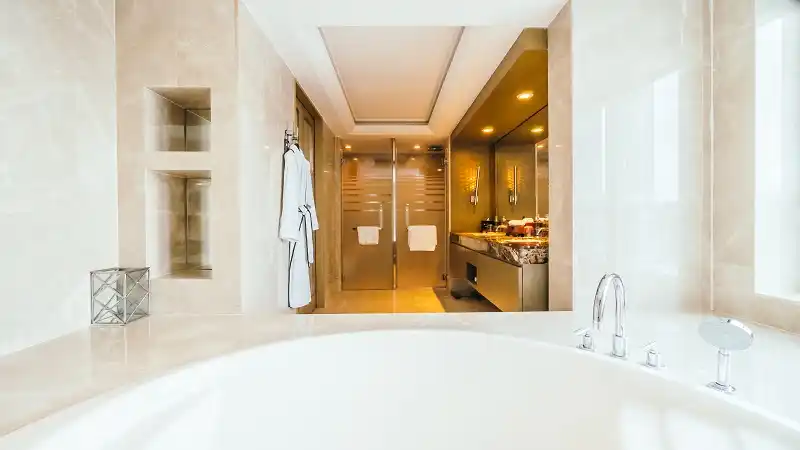
Bathrooms are among the most frequently used spaces in a home, yet they’re often overlooked in renovation plans until something goes noticeably wrong. Most people interact with their bathroom every single day: for quick morning routines, nightly unwinding, practical grooming, and regular cleaning. Because of this, even small inefficiencies or design flaws can quietly wear on comfort, convenience, and overall satisfaction.
It’s often at this turning point, when the bathroom stops feeling right, that homeowners begin researching bathroom remodeling sacramento not merely to update finishes, but to fundamentally improve how the space performs. A thoughtful bathroom remodel does far more than modernize fixtures or replace tiles; it transforms how the space feels, functions, and supports daily life.
When Function Fades Before Form
Most bathrooms are designed to work, but many stop feeling good long before they actually break. That’s because function and form are not the same thing.
You might notice one or more of these frustrations:
- Constant clutter on counters
- Tight or inefficient layout
- Insufficient lighting for daily tasks
- Poor ventilation creates moisture issues
- Surfaces that stain or feel cold
None of these are catastrophic failure on its own, but together they add up to a space that feels awkward and uninviting, a place people tolerate rather than enjoy.
A good remodel starts by identifying these everyday pain points, then designing solutions that make sense practically and feel good emotionally.
Layout Comes First, Before Fixtures
When most people think about bathroom remodeling, they imagine new tiles, a modern vanity, or sleek fixtures. But the true foundation of a successful bathroom remodel begins with layout.
Good layout design considers:
- How people move through the space
- Where light falls during common tasks
- How are wet and dry zones separated
- Whether storage is truly accessible
- How fixtures relate to one another
For example, placing the vanity too close to a toilet may seem acceptable in a floor plan, but in real use, it creates constant discomfort. Moving a shower into a corner might open up circulation space and make the room feel larger without increasing square footage.
Layout decisions may not be glamorous, but they are the backbone of a remodel that feels natural in daily life.
Smart Storage: Invisible but Essential
Bathrooms generate clutter, towels, shampoos, personal care tools, and cleaning supplies, yet storage is often an afterthought. Surface storage quickly turns into visual chaos.
Thoughtful storage planning includes:
- Vanities with deep, organized drawers
- Recessed niches in showers
- Built-in shelves instead of freestanding units
- Medicine cabinets with internal organizing systems
- Hidden storage that keeps essentials within reach but out of sight
Well-executed storage changes how a bathroom feels instantly; it feels more spacious and easier to keep clean because everything has a home.
Light That Works as Hard as You Do
Lighting is one of the most underappreciated elements of bathroom design, yet its impact is immediate.
Good bathroom lighting involves layering:
- Ambient lighting for overall brightness
- Task lighting around mirrors for grooming
- Accent lighting to enhance mood and depth
Bad lighting, on the other hand, casts shadows that make shaving or applying makeup frustrating, and can make small spaces feel cramped or harsh.
Natural light matters too. Even small windows, skylights, or light tubes can elevate the space dramatically, making it feel warmer and more spacious.
Materials That Stand Up to Daily Use
Bathrooms face constant moisture, temperature swings, frequent cleaning, and heavy use. Material choice isn’t just about how things look; it’s about how well they hold up.
Durable materials include:
- Porcelain or large-format tile that resists moisture and staining
- Engineered quartz or solid surfaces for vanities
- Waterproof wall panels in showers
- Moisture-resistant paint and finishes
Selecting materials that handle real use reduces upkeep over time and prevents premature wear that can make a bathroom look older and more worn than it actually is.
Ventilation: The Invisible Game Changer
A remodeled bathroom with no ventilation upgrade is like a freshly paved driveway with no drainage; it looks new, but the underlying issues remain.
Poor ventilation leads to:
- Persistent condensation
- Mold and mildew growth
- Peeling paint and grout deterioration
- Lingering odors
Upgrading exhaust fans, adding humidity-sensing controls, and ensuring proper airflow can make a dramatic difference in finish longevity and indoor comfort.
Showers and Tubs: Comfort Meets Accessibility
Showers and tubs are the heart of the bathroom experience.
Remodels often focus on:
- Walk-in showers that are easy to enter and clean
- Adjustable showerheads for bathing flexibility
- Curbless designs for accessibility and modern lines
- Built-in seating or storage niches
These improvements are about comfort, safety, and ease, especially important if the bathroom is used by people of varying ages or mobility levels.
Small Bathrooms, Big Design Opportunities
Not all bathrooms have generous square footage, but even small spaces can feel open and purposeful with good design.
Strategies include:
- Removing unnecessary doors or walls
- Using glass enclosures to maintain sightlines
- Oversized mirrors to amplify light and space
- Vertical storage that takes advantage of wall height
A small bathroom that feels well-planned can feel more luxurious than one that’s physically larger but poorly organized.
The Emotional Comfort of Thoughtful Design
Design is not just practical, it’s emotional. The tone of a bathroom affects mood. Warm lighting, coordinated materials, and thoughtful circulation make a space feel inviting rather than utilitarian.
Design choices influence how you feel when you step into the room:
- Calm and refreshed in the morning
- Relaxed at the end of a long day
- Focused during your daily routine
Emotional comfort is one of the less-discussed outcomes of good design, but it’s one of the most powerful.
Budgeting for Impact
Bathroom remodels vary widely in scope, but the most satisfying projects are those where the budget is aligned with everyday impact.
Prioritize:
- Function and layout
- Storage and lighting
- Moisture and air control
- Fixtures and finishes
This hierarchy ensures that the changes improve daily life first and style second.
Working with Professionals Makes it Seamless
Bathrooms are complex spaces. They involve plumbing, electrical work, ventilation, waterproofing, and design. Coordination is key.
Partnering with professionals early in planning helps:
- Avoid costly mistakes
- Ensure systems work together
- Maintain code compliance
- Refine design with practical experience
Designers and remodelers help bring ideas from inspiration to reality, not just in photos, but in how the space actually performs.
A Bathroom that Works for Life
A bathroom remodel isn’t just a home improvement project; it’s an investment in comfort, convenience, and quality of life. When a remodel focuses on real daily usage, how space functions, how users move through it, and how easy it is to maintain, the result is a space that feels right, not just new.
A thoughtfully remodeled bathroom adapts and endures, supporting routines and enhancing satisfaction for years to come.